
We Don't Hate Influencers Enough

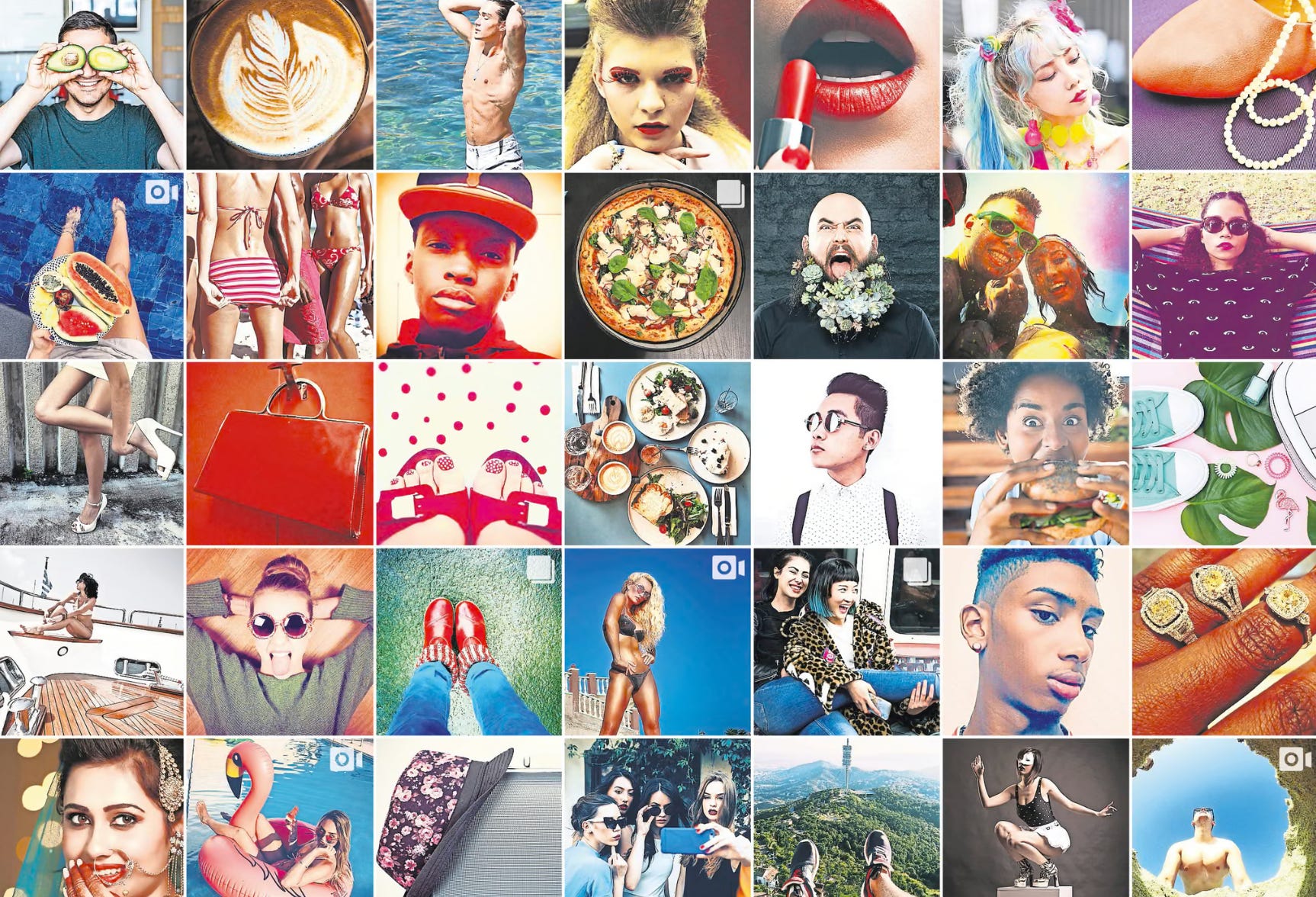
Influencers are one of the worst things to be born out of the social media era. A vapid, self-serving, "hey, look at me" economy, where the product is you and me, and the customer is, well, nobody in particular.
They’ve ruined travel, swarming to once idyllic spots — or war memorials — like locust, queuing to the get the same shot as everyone else, peace signs and pouts, the less clothing the better, their hapless partner taking shot after shot until whatever is left of their soul finally dies.
They’ve ruined cities and countries. Mexico. Thailand. Bali. Their takeover drives up the price of everything, causing land grabs and unregulated building, overwhelm of local facilities like waste and recycling, the destruction of wildlife, habitats and natural wonders for more villas and resorts, the rise of mafias and cartels who move in to control the drug party scenes, all before the influencers take their influence to the next unlucky country and leave the locals to pick up the pieces.
They’ve ruined the gym, with the endless thirst traps, the mirror gazing, the shortest of shorts, the shameless lack of humility, the “you walked in front of my shot” arguments. They’ve ruined eating out, doing their stupid, unbearable dances while they eat their pancakes — must have been successful, she’s now on OnlyFans, the next logical step for many a failed influencer — or the now-accepted culture that mealtimes mean documenting every plate and every mouthful, and the forced pantomime show that comes with it.
They’ve destroyed the concept of an honest review, with the line between a genuine recommendation and a paid advertisement completely erased. Remember, influencers are marketers! And marketers are always self-serving by the nature of their trade. (A good rule of thumb: If an influencer calls something life-changing, assume it is garbage.) They’ve blurred the idea of filming with consent, collectively deciding it doesn’t matter, leading to many strangers and randoms either caught up in content, or unaware they are the content.
Worst of all, they’ve taken ‘main character syndrome’ to a whole new level, and forced us all the be hapless NPCs serving their make-believe worlds.
And all of this for what, so they can try to shill us products and services they only use — or don’t use at all, because many are dangerous, untested or just shitty — because they might get paid to? Or to get some free stuff so they can pretend they’re a big shot? Or in the hopes of three seconds of fame that might land them a few podcast appearances?
It’s easy to forget that, for a brief moment in time, influencers did have real influence. It was new then, and it was very effective marketing. Until everyone thought it was the fastest ticket to riches, and every 20-something who’d worked one day in their life was suddenly a life coach, or a business coach, or a fashion expert, or a food blogger, and was wanting free shit from everyone. Once the market was saturated, influence became a currency that carried less weight, and soon, most caught on.
Of course, there are still successful influencers, who do rake in good money from themselves and the partners they work with. That’s why so many try. It’s probably for that reason that more than half of Gen Z say they want to be one. Even universities are clocking on, now offering degrees in influencing. (Well, they are certainly cashing in on the trend; whether they believe there are job prospects at the end of this, I’m sure they don’t give a fuck.)
Unfortunately, like all Internet-enabled occupations, first-mover advantage counts for a lot. Oh, you want to film your beauty routine? Join the millions of others in the queue. It’s ten a penny now, and anybody declaring they want to be an influencer should met with the sigh and a pitying pat on the head.
There there. You’ll think of something more fulfilling to do soon.
The scary thing about pushing this as a career path — aside the horror of putting even more influencers out into the wild — is that there’s a freight train crashing into the industry right now: AI-generated influencers.
This is a whole new dystopian cesspit that is just in its infancy, and yet many AI influencers are already out-earning their human counterparts, and brands have only just started testing the water with this (if they are admitting to it; many are doing it in secret which is something that needs to be addressed). If the audience show they don’t care, and convert to sales/sign-ups in roughly the same percentages, there is only one way this is headed. The argument against this — users will always seek authenticity! — falls flat here, because in a way, AI influencers are no different to what we have now: pure fantasy, completely fake, and all too happy to morph into whatever they need to be or pretend to care about whatever in-thing they need to in order to maintain their relevancy.
But there is one silver lining.
These influencers can’t exist beyond the digital world. They can’t live outside of the social feeds and the scrolling. They can’t pollute public places and spaces. So maybe, finally, we won't have to be shoved out of frame at a landmark, filmed without consent in a coffee shop queue, or trapped behind a tripod on a packed train platform.

lol—exactly: “the less clothing the better.” Always.